Thursday, November 26, 2015

National Geographic Photo of the Day: Novemeber 26th of 2015

November 26, 2015
Death Valley Dunes
Photograph by Kim Mitchell
The Eureka Dunes in Death Valley National Park offer an eerie soundtrack to visitors who decide to make their way up the sandy slopes—a mysterious phenomenon known as singing sand results in heavy bass notes and drones that sound like they come from airplanes. The booming sounds only add to the desolate beauty of the dunes, the tallest in California.
Astronomy Picture of the Day: November 26th of 2015

Image Credit & Copyright: Yuri Beletsky (Carnegie Las Campanas Observatory, TWAN)
National Geographic Photo of the Day: November 25th of 2015

November 25, 2015
Coastal Setting
Photograph by Victor Lima, National Geographic Your Shot
The setting sun sinks behind the low mountains framing Vila Velha, a coastal city in the Brazilian state of Espírito Santo. Your Shot member Victor Lima captured this dusky view of the bay and its surrounds from the Morro do Moreno, or Moreno Hill.
Astronomy Picture of the Day: Novemeber 25th of 2015

Image Credit: NASA, Johns Hopkins U. APL, SwRI
Tuesday, November 24, 2015
National Geographic Photo of the Day: November 24th fo 2015

November 24, 2015
A Geothermal Swim
Photograph by Kelby Singhaus
“My Swedish friend and I decided (pretty easily) that a dive into a ... geothermally heated pool sounded abundantly more pleasant than being cold (like we were) during our late summer Icelandic journey,” writes Kelby Singhaus. Hruni’s rolling grass hills and “flocks of poofy sheep” contributed to what Singhaus called an unbeatable moment. “So dive, we did,” he writes, “and warm we were! Until we got out, of course.”
Astronomy Picture of the Day: November 24th of 2015

Image Credit & Copyright: Daniele Boffelli
National Geographic Photo of the Day: November 23rd of 2015

November 23, 2015
Cape Cub
Photograph by Steve Winter
A camera trap set in South Africa’s Cederberg Wilderness records the steady gaze of a Cape leopard cub. Though not classified as a separate subspecies of leopard, these shy mountain cats are smaller than their savanna kin.Astronomy Picture of the Day: November 23rd of 2015

Image Credit & Copyright: Stanislav Volskiy, Rollover Annotation: Judy Schmidt
National Geographic Photo of the Day: November 22nd of 2015

November 22, 2015
All Fall Down
Photograph by Steve Brockett, National Geographic Your Shot
“Autumnal flying at its best,” writes Your Shot member Steve Brockett, who photographed this golf course in Wales from a powered paraglider. Though autumn hadn’t yet come into full swing, Brockett still found his sunset flight over the Monmouthshire valley rewarding. “Isolated points of color draw you to them like sentinels,” he writes. Initially attracted to the near perfect circle of leaves beneath the tree at center, he found that the shadows and light lent the image additional form—and a dose of magic.
Astronomy Picture of the Day: November 22nd of 2015

Image Credit: HiRISE, MRO, LPL (U. Arizona), NASA
Saturday, November 21, 2015



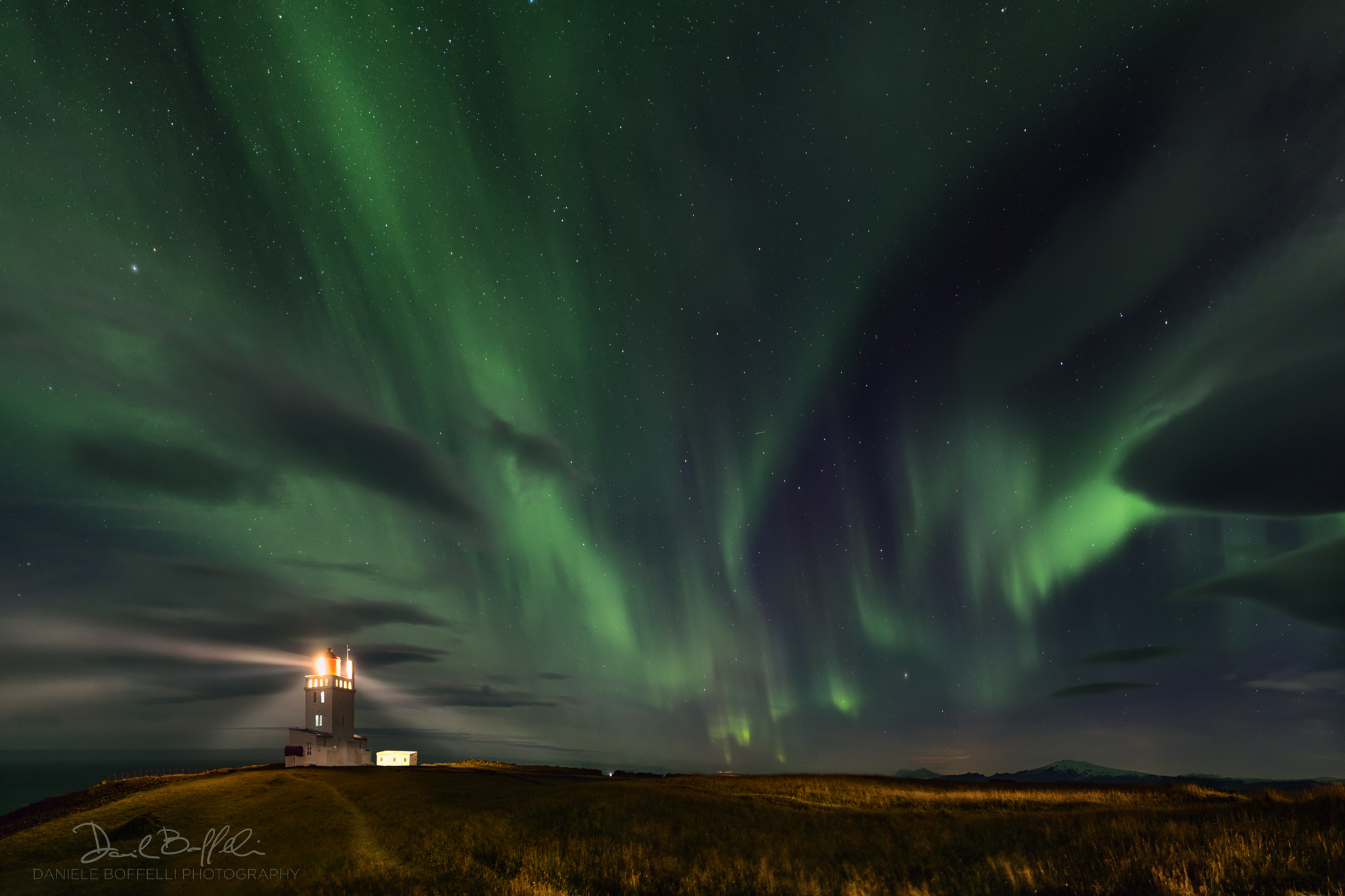


Astronomy Picture of the Day: November 21st of 2015

Image Credit & Copyright: CHART32 Team, Processing - Johannes Schedler
National Geographic Photo of the Day: November 21st of 2015

November 21, 2015
Sunrise Sweep
Photograph by Razz Razalli
“I was lucky to visit Varanasi during the [bird] migration. Morning boat rides are the ultimate thing to do during this time,” opines photographer Razz Razalli, who was in India when he captured this flock sweeping over a rowboat at sunrise. “According to the locals, the birds arrive in November and leave at the end of February,” Razalli writes. The annual migration attracts tourists to Varanasi, and for a fee, boatmen take tourists onto the river for an up-close look at the flocks.
Astronomy Picture of the Day: November 20th of 2015

Image Credit & Copyright: Malcolm Park (North York Astronomical Association)
National Geographic Photo of the Day: Novemeber 20th of 2015

November 20, 2015
Quiet Reflection
Photograph by Freia Lily, National Geographic Your Shot
Your Shot community member Freia Lily submitted this photo of an iceberg reflected in the “still waters of Jökulsárlón,” a “glacier lagoon” in Iceland. Detached remnants from the vast Vatnajökull (Vatna Glacier) wash up on the shorelines here, gracing visitors with views of the shimmering blocks before they melt.
Thursday, November 19, 2015
*** Muscle, Strength & Health Best Selling Offers ***

"How A Skinny Asthmatic Kid From Connecticut Achieved A 452 Pound Bench Press & Guarantees You Can Get Similar Results!"
 So… is it really possible for a guy who couldn’t bench 100 pounds… to transform himself into a powerful, muscular lifter that recently benched over 452 pounds? Well, I’ll let you be the judge. Take a look at my pictures above. The one on the left is a picture of me in my senior year of high school. I think it’s pretty obvious that I didn’t really lift weights. In fact… I had really bad asthma and was hospitalized a lot as a child. So true story… I went from not even being able to lift 100 pounds… to literally being able to bench press OVER 400 pounds. The picture on the right is after I started learning and using the bench press secrets I want to share with you. In fact, between high school and college… I packed on over 75 pounds of muscle mass! Sure… it took a little time. Because it took me a few years to learn and to know everything that I used… and everything that helped me. But here’s the important thing: If you learn the simple secrets I’m about to reveal… you can confidently add weight to your bench, pack on some solid, rock-hard muscle mass, and NEVER have to worry about being small or feeling weak again! Take it from me personally, you can do this too!
  When I started lifting weights and working on my bench press… it literally changed my life for the better. I actually walked on a D-IAA college football team and became a starting outside linebacker my junior and senior year. You’ll never believe it… but I actually had the strongest bench press on the team my senior year… hitting 405. I’m not saying this to brag. I just want you to open your mind to the possibilities. Because it doesn’t matter where you’re starting… it only matters where you want to go! Like I just mentioned… as a freshman in high school… I couldn’t bench press 100 pounds. Over time, I stuck with it. I learned things as I went along… and kept putting new tips and techniques into practice. But the training style I used back then caused me to plateau at 300 lbs on the bench press. I stayed there for over a year. When I learned the advanced bench press secrets I’m going to show you (the same secrets that are in the Critical Bench Program)... my bench press soared to 365.
Click Here!
Click Here!
Click Here!
So… is it really possible for a guy who couldn’t bench 100 pounds… to transform himself into a powerful, muscular lifter that recently benched over 452 pounds? Well, I’ll let you be the judge. Take a look at my pictures above. The one on the left is a picture of me in my senior year of high school. I think it’s pretty obvious that I didn’t really lift weights. In fact… I had really bad asthma and was hospitalized a lot as a child. So true story… I went from not even being able to lift 100 pounds… to literally being able to bench press OVER 400 pounds. The picture on the right is after I started learning and using the bench press secrets I want to share with you. In fact, between high school and college… I packed on over 75 pounds of muscle mass! Sure… it took a little time. Because it took me a few years to learn and to know everything that I used… and everything that helped me. But here’s the important thing: If you learn the simple secrets I’m about to reveal… you can confidently add weight to your bench, pack on some solid, rock-hard muscle mass, and NEVER have to worry about being small or feeling weak again! Take it from me personally, you can do this too! When I started lifting weights and working on my bench press… it literally changed my life for the better. I actually walked on a D-IAA college football team and became a starting outside linebacker my junior and senior year. You’ll never believe it… but I actually had the strongest bench press on the team my senior year… hitting 405. I’m not saying this to brag. I just want you to open your mind to the possibilities. Because it doesn’t matter where you’re starting… it only matters where you want to go! Like I just mentioned… as a freshman in high school… I couldn’t bench press 100 pounds. Over time, I stuck with it. I learned things as I went along… and kept putting new tips and techniques into practice. But the training style I used back then caused me to plateau at 300 lbs on the bench press. I stayed there for over a year. When I learned the advanced bench press secrets I’m going to show you (the same secrets that are in the Critical Bench Program)... my bench press soared to 365.
I Made More Progress In 11 Weeks
Then I Had Made In The Entire Previous Year! When I started the program for a second time… I added another 50 lbs to my max… reaching 435. I logged every workout I did in college that got me to a 400 plus pound bench press. And honestly, like magic… the more my bench increased… so did my muscle mass and strength. And as my muscle mass and strength went up… so did my self-esteem and my confidence. I carried myself better… I felt better about myself. I was more outgoing. I felt more powerful. It allowed me to get a job as a personal trainer. I wrote for the big-name Muscle Magazines. I even played some football in Europe after college. I can honestly say that I owe so much of my life to the simple fact that I was able to dedicate a lot of time and effort to learning how to bench press RIGHT… and get bigger and stronger. I’m not trying to paint this out to be magic. I just want to show you what’s possible when you set your mind to achieving something… and then you follow a step-by-step plan.
Then I Had Made In The Entire Previous Year! When I started the program for a second time… I added another 50 lbs to my max… reaching 435. I logged every workout I did in college that got me to a 400 plus pound bench press. And honestly, like magic… the more my bench increased… so did my muscle mass and strength. And as my muscle mass and strength went up… so did my self-esteem and my confidence. I carried myself better… I felt better about myself. I was more outgoing. I felt more powerful. It allowed me to get a job as a personal trainer. I wrote for the big-name Muscle Magazines. I even played some football in Europe after college. I can honestly say that I owe so much of my life to the simple fact that I was able to dedicate a lot of time and effort to learning how to bench press RIGHT… and get bigger and stronger. I’m not trying to paint this out to be magic. I just want to show you what’s possible when you set your mind to achieving something… and then you follow a step-by-step plan.
Who Needs This Program? Who Doesn’t? Look, if you’re happy with what you’re benching right now, you definitely don’t need this program… unless you want to keep going up… if you want to keep getting bigger and better. And you don’t need it if you’re currently happy with your size and muscularity. If you’re happy with the way your body looks and the amount of muscle you carry… then I’d skip this… unless you want to pack on even more muscle. If you’re as strong as you want to be… or if you’re as quick and as powerful as you need to be for your school’s sport… you probably don’t need it. But if you want to gain more strength, more muscle, and a much bigger bench press that makes your buddies envious and jealous, this will do it.
Subscribe to:
Posts (Atom)